Why Every Charter Captain Needs a Website That Actually Works
Your boat is dialed. Your crew is sharp. Your Insta is popping. But if your website looks like it was built in 2012, you are leaving bookings on the table. Here is the fix.
Kit Mobley
Islamorada, FL
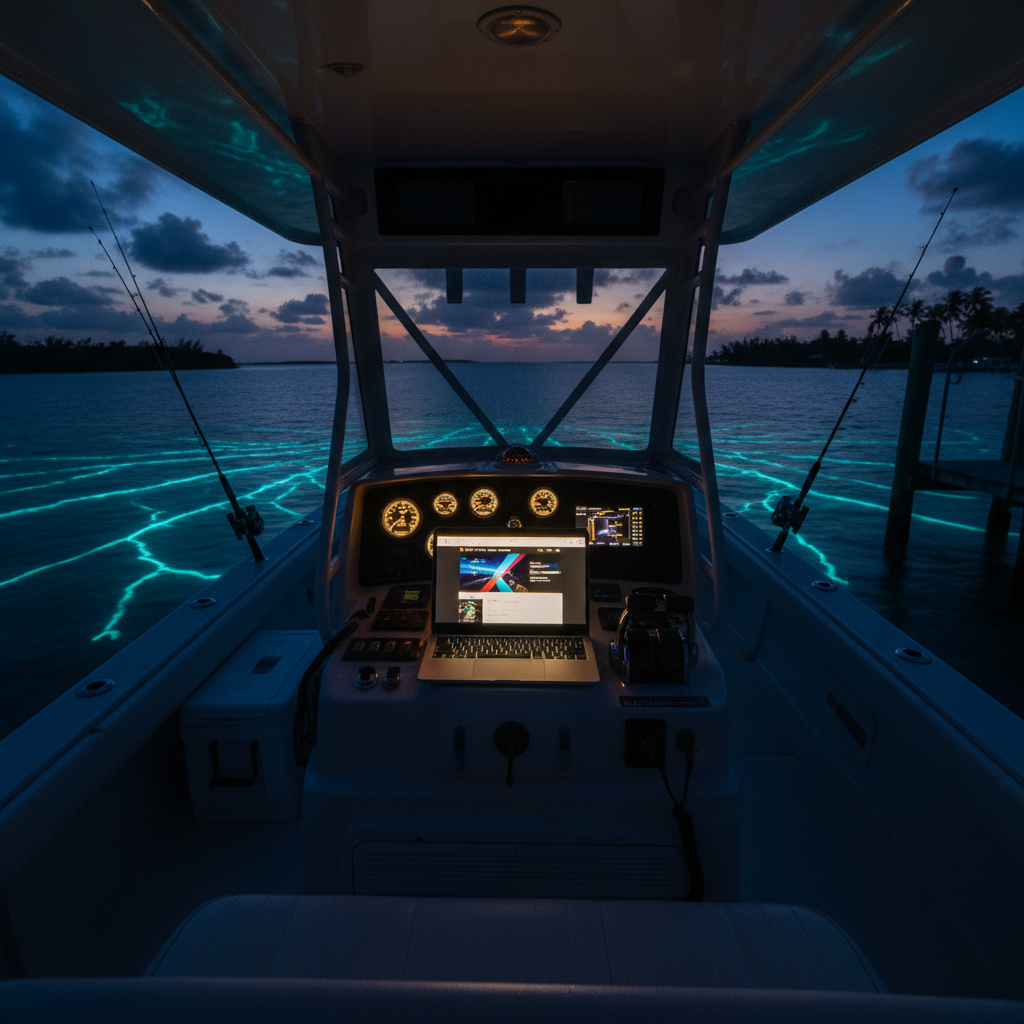
Your boat is dialed. Your crew is sharp. Your Instagram is popping. But if your website looks like it was built in 2012, or worse, if you don’t have one at all, you’re leaving bookings on the table. Real ones. The kind that pay the fuel bill.
The Problem Most Captains Don’t See
Here’s the thing about charter fishing in 2026: your competition isn’t just the captain down the dock. It’s every captain on Google, every charter on TripAdvisor, every FareHarbor listing that shows up when someone types “fishing charter Islamorada” at 11 PM from their hotel room.
That tourist isn’t calling around. They’re scrolling. They’re comparing. And they’re booking the operation that looks professional, loads fast, and makes it easy to click “Book Now.”
If your site takes 5 seconds to load, looks like a Wix template from 2015, or, the cardinal sin, doesn’t work on mobile? You just lost a $1,500 offshore trip to the captain who invested in his web presence.
What “actually works” means
A site that works for a charter operation isn’t pretty. It’s functional. Here’s the minimum.
Speed. Under 3 seconds to load on mobile, period. Google measures it, tourists feel it, and slow sites get ranked lower in search. Every second of load time costs you bookings.
Mobile-first design. Phones are 70% plus of your traffic, tourists in the hotel, guys on the boat ramp checking options, people scrolling on the couch. If the site doesn’t look right on a phone, you don’t have a website. You have a liability.
A clear booking path. From landing to booking in two clicks or less. FareHarbor, Peek, direct form, doesn’t matter which system, as long as the path is obvious and frictionless. Nobody should have to hunt for how to give you money.
SEO that works. The site should rank for “[your location] fishing charter” and adjacent searches. That means proper meta tags, structured data, fast load times, and content that tells Google you’re the authority in your fishery.
Real content. Not stock photos. Not a paragraph that could describe any charter in any state. Your boat. Your catches. Your personality. The tourist is buying an experience, and the website is the first taste.
The Real Cost of a Bad Website
Let’s do quick math. Say your average trip is $1,200. If a better website converts just 2 extra bookings per month, that’s $2,400/month, $28,800/year. The website pays for itself in the first week.
Now consider the opposite: how many bookings are you losing right now because your site is slow, ugly, or nonexistent? You’ll never know the exact number, and that’s the scariest part.
What I’d Build for You
I build charter sites on Astro with Tailwind CSS, deployed to Netlify. In plain English: the site loads in under 2 seconds anywhere; it’s designed mobile-first and reads well on desktop too; FareHarbor, Peek, or a custom booking flow embeds inline; structured data, meta tags, and a sitemap are wired up out of the box; and you can change trip prices and photos without calling me.
The whole build takes about a week. You get a staging link to review, we dial it in, and we push it live.
Bottom Line
Your website is your 24/7 sales rep. It’s working while you sleep, while you’re running trips, while you’re at the dock cleaning fish. Make sure it’s pulling its weight.
Ready to upgrade your charter’s web presence? Get a quote or hit me up directly.
SHARE THIS POST